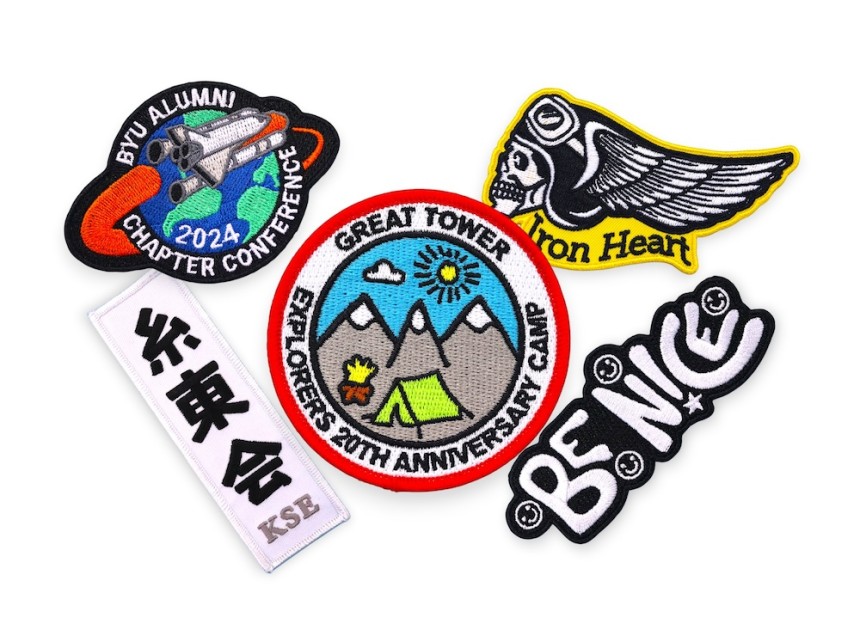
What Are Embroidered Patches?
Embroidered patches have been around a very long time, since at least the 5th century, in fact. But while most people recognise them instantly, they probably never gave a moment’s thought about how they’re made or why they’re used.
You’ve probably seen them on scout uniforms, martial arts gis, walking gear and backpacks, a visual marker of achievement, identity or membership. That familiarity found with embroidered patches is a big part of their strength. You don’t have to explain what an embroidered patch is supposed to represent. People already get it.
At the same time, they’re not a one-size-fits-all option.
Sometimes, a woven patch or PVC patch might be the better product for your project.
So, who do you know if custom embroidered patches are right for you?
We’re so glad you asked.
Check out the rest of our post to learn exactly what embroidered patches are and why you might want to make your own with us.
What Are Embroidered Patches?
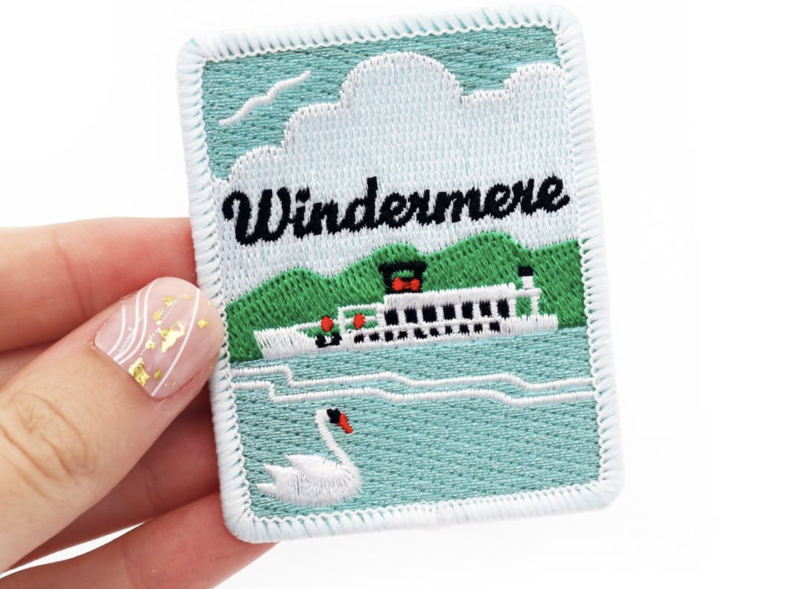
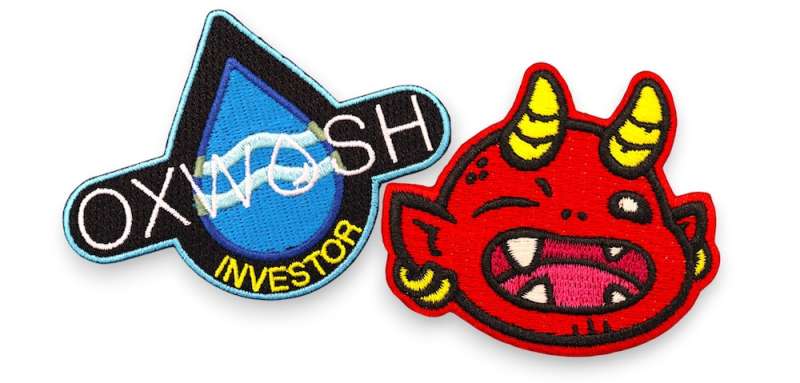
We create embroidered patches by stitching a design into a piece of fabric using coloured threads. The image is built up through layers of stitching rather than being printed or moulded, which gives the surface a textured finish.
That texture changes how a design reads. Colours appear slightly softer, edges are defined by thread, and the overall look feels tied to the material it sits on. It’s a format that suits bold shapes and clear layouts, where the stitching becomes part of the design rather than something trying to hide.
Because of that, embroidered patches tend to feel more like part of a garment than an afterthought. They belong on fabric in a very literal sense.
How Embroidered Patches Are Made
The process starts with our design team turning your photos, logos, images, or written ideas into artwork (for FREE!) that meets the guidelines for creating embroidered patches, but it can’t go straight into production as-is. It has to be translated into a stitch file that tells embroidery machines how to build the design. This step decides how the patch will actually look once it’s made, from the direction of the stitches to how different elements are layered.
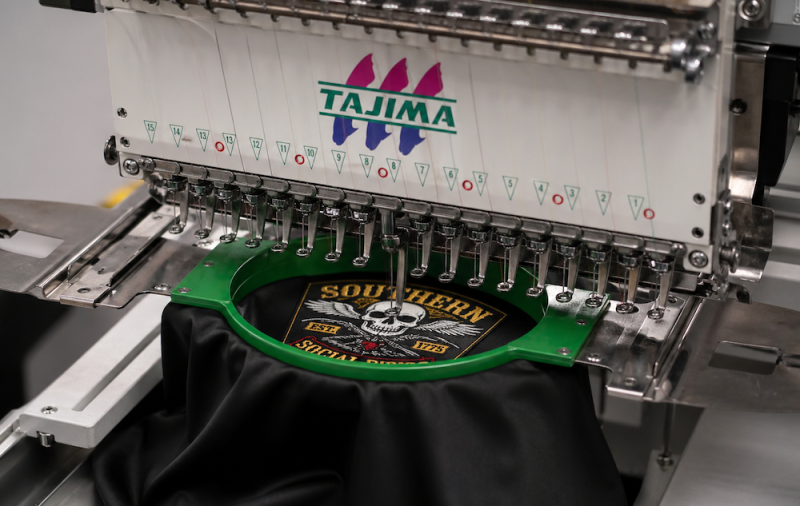
Once that’s in place, the design is stitched onto a fabric base using industrial embroidery machines. The quality of the final patch depends heavily on how dense and consistent those stitches are. A well-made patch feels solid and clearly defined, while a poorly made one can look thin or uneven.
After stitching, the patch is cut to shape and finished with a border. Some use a traditional stitched edge, while others are cut cleanly to follow the design more closely. A backing is then added depending on how the patch will be used, whether it’s for sewing onto clothing or for a more flexible attachment.
We’ve got in-depth blogs on how to choose the right backing for your patches and the difference between overlocked and heat-cut patch edges.
What’s the Difference Between Embroidered Patches and Embroidered Cloth Badges
Nothing!
There’s no structural difference between the two. Both custom patches are made using the same stitched construction and materials.
The wording tends to shift depending on context. “Cloth badge” is more common in traditional settings like scouting and schools, while “embroidery patch” is more widely used in retail, branding, and product descriptions.
In practical terms, they’re exactly the same thing. The name usually reflects the audience rather than any change in how the product is made.
Where Embroidered Patches Work Best
Embroidered patches tend to perform well in settings where identity builds over time and where items are worn regularly.
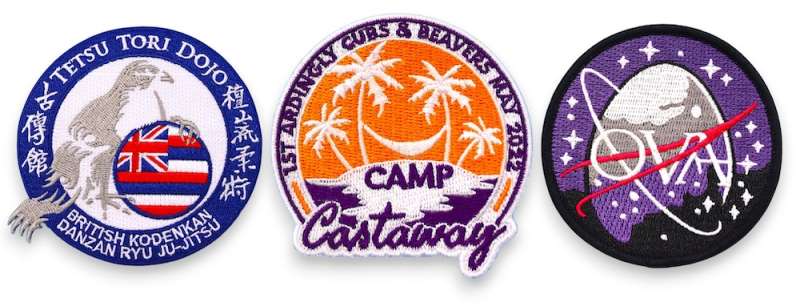
In scouting groups and similar organisations, patches mark progress. They accumulate as people move through different stages, creating a visible record of experience. The stitched format suits that role because it feels consistent and durable without looking overly polished.
In hiking and walking communities, patches often act as markers of places visited or routes completed. They end up on jackets and backpacks, picking up wear alongside the gear. That gradual ageing adds to their appeal rather than taking away from it.
Martial arts clubs use embroidered patches as part of a wider visual system. They’re stitched (or ironed on, and yes they really do stay on) uniforms, represent affiliation and help distinguish between schools or disciplines. The stitched finish fits naturally within that environment, where presentation is expected to be clean and consistent.
These uses have very different contexts, but they all rely on the same underlying idea. Embrodered patches are timeless, and they represent belonging and achievement.
When Embroidered Patches Are Less Suitable
There are situations where embroidery creates limitations.
Highly detailed artwork can lose clarity once it’s translated into stitching. Small text and fine gradients are difficult (in some cases impossible) to reproduce cleanly, which can affect how the design reads at a distance. Designs that rely on sharp precision or photographic detail usually need a different approach. We’d recommend woven patches, printed patches or PVC patches for intricate designs, depending on their intended use.
They also require a bit more consideration in how they’re applied and maintained. While they’re durable in normal use, they aren’t designed to withstand constant exposure to water or heavy abrasion, unlike some modern materials.
Key Takeaway - Are Embroidery Patches Right For Me?
Embroidered patches remain widely used because they translate identity into something physical in a straightforward and recognisable way.
They suit designs that benefit from structure and clarity, and they work best in environments where the meaning behind the patch matters as much as the appearance.
If you’ve got ideas and want to create embroidered patches for your organisation, group, or club, contact our friendly sales team today, and we’ll kit you out with a free no-obligations quote, or if you’re in the UK, we can send you some free samples of patches we’ve created for other clients so you can check out the quality of our work.